
Millions of people add creatine to their supplements to enhance muscle growth, strength, and athletic ability. At the Charlotte Gynecomastia Center, our surgeon often hears questions about the safety of creatine, especially its potential links to unwanted side effects like gynecomastia.
Many wonder if creatine could cause or worsen male breast enlargement. If you use supplements or have concerns about changes in your body, understanding the real risks is essential. Let’s look at the connection between creatine and gynecomastia, what the science shows, and how to safeguard your health.
Key Takeaways

Understanding What Creatine Is
Creatine stands as one of the most researched sports supplements in the world. Many athletes and fitness enthusiasts in Charlotte and beyond rely on it for improved workouts.
What Is Creatine?
Creatine is a naturally occurring compound found in muscles. The body makes it from amino acids, primarily in the liver and kidneys.
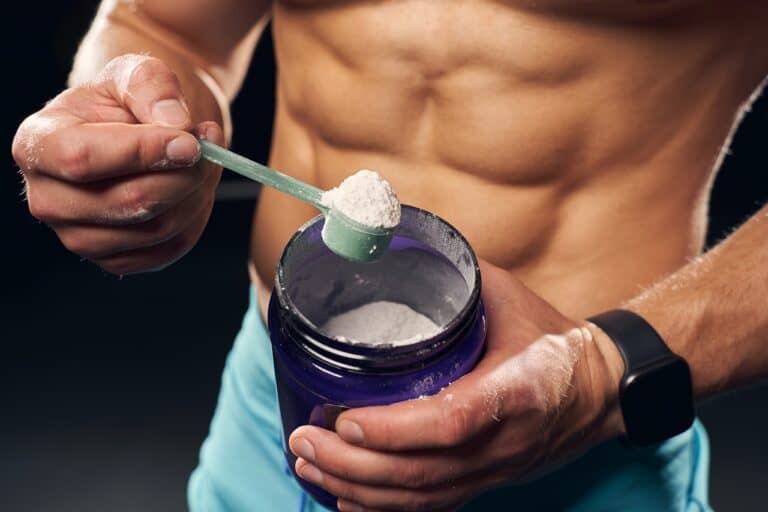
Most people also get creatine by eating animal-based foods like red meat and fish. Creatine supplements usually come in powder or capsule form.
How Does Creatine Affect the Body?
When you take creatine, your muscles can store more phosphocreatine. This increases energy for short, intense activity such as weightlifting or sprinting.
Research shows that creatine boosts muscle strength and growth over time. Many see benefits after just a few weeks of regular use.
Is Creatine a Hormone or Steroid?
Creatine is not a hormone or anabolic steroid. It does not mimic testosterone, estrogen, or other sex hormones.
Unlike performance-enhancing steroids, creatine works by increasing the energy supply in muscle tissue. Our surgical team at the Charlotte Gynecomastia Center frequently explains that creatine lacks the hormonal effects that could cause gynecomastia.
What Causes Gynecomastia?
Understanding the causes of gynecomastia helps clarify why some supplements raise concern. Gynecomastia is the medical term for male breast gland enlargement.
The Role of Hormones
Hormones play a central part in breast tissue development. In men, estrogen (the main female sex hormone) controls the growth of breast cells. Testosterone (the primary male sex hormone) counteracts this effect.
When the balance tilts toward higher estrogen or lower testosterone, breast gland tissue can grow. This can cause sensitive, swollen, or firmer breast tissue beneath the nipple area.
Factors Contributing to Gynecomastia
Several causes can disrupt this hormone balance. Our doctor sees these root causes most often in the clinic:
- Hormonal Changes: Puberty, aging, or medical conditions like hypogonadism can affect testosterone-to-estrogen ratios and lead to breast enlargement.
- Medications: Certain drugs may trigger gynecomastia. These include anti-androgens, some antidepressants, and drugs for stomach ulcers and heart conditions.
- Health Conditions: Liver disease, kidney disease, thyroid disorders, obesity, and tumors can influence hormone levels and cause breast tissue swelling.
- Substance Use: Alcohol, marijuana, anabolic steroid abuse, and some herbal products increase gynecomastia risk.
While supplements sometimes get blamed for gynecomastia, true cases almost always connect to these hormonal factors, not muscle-building aids like creatine.
Can Creatine Cause Gynecomastia?
Gynecomastia concerns often crop up in discussions about popular bodybuilding supplements. Given that creatine is widely used, some worry about potential hormone changes.
What the Science Says
To date, robust research has not linked creatine use to an increased risk of gynecomastia. Dozens of clinical trials have investigated creatine’s effects on hormone levels.
Most studies show that creatine supplementation does not significantly raise testosterone or estrogen in men. Any hormonal changes reported by rare studies remain small and clinically insignificant.
Why Do Myths Persist?
Misinformation spreads easily in fitness communities. Some believe that increased muscle mass from creatine could somehow trigger breast tissue growth. Others confuse creatine with anabolic steroids.
Our surgeon addresses these concerns by explaining the differences between legitimate supplements and drugs that can alter hormones.
Misinformation often stems from the fact that many bodybuilders experience gynecomastia due to anabolic steroid use, which, unlike creatine, drastically alters the testosterone-to-estrogen ratio.
What About Individual Responses?
Everybody responds uniquely to supplements. While water retention and mild gastrointestinal upset are fairly common, our medical team has not seen confirmed cases of gynecomastia from taking creatine alone.
If anyone does notice unusual breast tissue changes, further investigation is necessary for a proper diagnosis, regardless of supplement history.
Known Side Effects of Creatine
While creatine is generally safe for healthy adults when used as directed, no supplement is without some risks. Below is a look at potential side effects, which are not related to gynecomastia.
Common Side Effects
Many users will never experience noticeable side effects. Those who do most often report:
- Mild water retention in the muscles can make muscles look temporarily larger and fuller.
- Occasional muscle cramping, especially when athletes do not maintain enough hydration.
- Gastrointestinal symptoms, such as bloating or diarrhea, typically occur when taking large doses.
These effects tend to resolve with lower doses or better hydration. None leads to breast gland growth.
Rare and Serious Risks
For people with pre-existing kidney disease, caution is advised. High-dose creatine could strain kidney function. Most healthy adults do not experience long-term problems if they use standard doses.
Importantly, studies have not linked creatine to hormonal changes, gynecomastia, or sexual dysfunction.
Recognizing Signs of Gynecomastia
Sometimes people confuse normal variations in chest shape with true gynecomastia. Learning to recognize the difference is important.
How to Tell if It’s Gynecomastia
Gynecomastia typically presents as a rubbery or firm mound beneath the nipple. The tissue may feel distinct from the surrounding fat. Sometimes, the area feels tender or sensitive.
Fatty chest deposits, known as pseudogynecomastia, occur with overall weight gain. This condition, unlike true gynecomastia, lacks firm glandular tissue.
Signs to Watch For
If you notice any of the following, consider talking with a healthcare provider:
- Enlarged breast tissue that feels firmer than usual or does not seem like ordinary fat.
- Persistent tenderness or soreness directly under the nipple.
- Changes involving both breasts, or just one.
- Swelling that occurs without major weight gain or loss.
True gynecomastia requires a different approach than simply losing weight or modifying gym routines.
Gynecomastia or Water Retention
Creatine sometimes causes muscle water retention, which can lead to visible fullness in the chest or arms.
How Creatine Changes Muscle Appearance
The swelling caused by extra water in muscle tissue is different from breast gland growth. Muscles may look larger, but they will not develop a distinct, rubbery mass characteristic of gynecomastia.
If chest fullness fluctuates with creatine cycles and disappears when supplementation stops, this effect usually points to water retention rather than gland growth.
Addressing Concerns About Appearance
For those worried about chest changes, stopping creatine for a period and watching for reversal of swelling can provide helpful information. Water-related swelling will fade quickly, whereas gynecomastia does not resolve on its own.
If any doubts remain, a consultation at our Charlotte office offers clarity.

When to See a Doctor for Evaluation and Diagnosis
Seeking medical advice matters when symptoms go beyond normal muscle changes. Our surgeon recommends evaluation in these scenarios:
- Breast area lumps, swelling, or pain that persists longer than a few weeks.
- Breast changes that appear unrelated to workout routines or dietary changes.
- Other symptoms, like nipple discharge, unexplained fatigue, or sudden weight gain.
A thorough health review helps pinpoint underlying causes. For many men with gynecomastia, the condition is unrelated to their fitness routine and may instead be linked to aging, medications, or natural hormonal changes.
Steps to Take if You Suspect Gynecomastia
Early action always leads to better outcomes. Anyone who notices unexplained breast enlargement should follow a clear path.
What to Do Next
- Stop Suspected Supplements: If concerned about a new supplement, halt use until after a medical evaluation. This includes creatine and any herbal formulas.
- Schedule a Medical Consultation: A physical exam and medical history, plus possible blood tests, can confirm whether gynecomastia is present and what might cause it.
- Document Symptoms: Note the timing, size, and characteristics of the breast changes. Share any supplement, medication, or substance use with your doctor.
These steps allow our surgeon to tailor recommendations for your unique situation.
Comparing Creatine to Other Substances
Not all supplements and performance aids pose the same risk. It helps to compare creatine with substances that are known for hormone disruption.
Anabolic Steroids
Anabolic steroids mimic testosterone, but the body can also convert these drugs into estrogen. This process often leads to rapid gynecomastia. Our doctor frequently counsels patients who developed breast tissue after steroid or prohormone cycles.
Prohormones and Some Herbal Products
Some over-the-counter supplements contain substances that influence hormone levels. Herbal products like tea tree oil or lavender have weak estrogenic effects and, over time, could play a role in rare cases of male breast enlargement.
Creatine stands apart, as it does not interact with hormone pathways in the same way.
Healthy Habits to Protect Chest Appearance
Most healthy lifestyle choices can help minimize gynecomastia risk. While supplements rarely cause glandular breast tissue development, these strategies promote hormonal balance and overall wellness:
- Maintain a healthy weight: Excess body fat can increase estrogen and encourage breast tissue growth.
- Monitor medication use: Always consult before starting or stopping prescription drugs with known gynecomastia risk.
- Limit alcohol and marijuana: Both can impact hormone levels and increase gynecomastia risk over time.
- Build muscle with balanced workouts: Resistance and aerobic exercise both help regulate metabolism and hormones.
Remember that the most significant risks for gynecomastia relate to hormonal health, not standard athletic supplements like creatine.
Our Patient-Centered Approach to Gynecomastia
At our practice, we take every symptom seriously and listen carefully to patient concerns. We understand the impact that changes in your body can have on confidence.
Our surgeon uses a tailored approach to diagnosis and treatment. By assessing the gynecomastia severity through a standardized grading system, we can determine whether conservative monitoring or surgical intervention is the most appropriate path for your goals.
Surgical options exist for patients who have persistent, bothersome gynecomastia. However, treatment always depends on your goals and circumstances.
Frequently Asked Questions about Creatine and Gynecomastia
Patients at the Charlotte Gynecomastia Center ask some common questions about creatine.
Take the Next Step Toward Clarity and Wellness
Gynecomastia often causes confusion and uncertainty, especially when mixed with advice from friends or information online. The evidence does not show a direct link between creatine use and male breast gland enlargement, which should offer peace of mind for most supplement users.
That said, everybody is different, and changes to chest shape or tenderness deserve a closer look. If you live in Charlotte or nearby and have concerns about gynecomastia or want a professional assessment, our team is ready to support you.
Please call or message the Charlotte Gynecomastia Center to schedule a no-obligation consultation. Our doctor can provide customized answers, evaluate your symptoms, and recommend the path that aligns with your health goals. Your comfort and understanding will always be our priority.