
Gynecomastia surgery helps many patients regain confidence and comfort in their bodies, but the days and weeks afterward can feel stressful if you do not know what to expect. At the Charlotte Gynecomastia Center, our surgeon and team guide you every step of the way, especially when it comes to crucial parts of recovery like sleeping properly.
Rest often feels overlooked after surgery, yet how you sleep can have a major impact on swelling, healing, your pain levels, and long-term results. In this article, you will find clear, practical information that removes guesswork and helps you rest with confidence as you recover. Let’s review everything you should know about how to sleep after gynecomastia surgery.
Key Takeaways

Why Sleep Position Matters After Gynecomastia Surgery
Sleep gives your body a chance to recover, which is even more important after any kind of surgery. Your sleeping position, though, can mean the difference between smooth healing and extra discomfort.
When you sleep right after gynecomastia surgery, your tissues stay protected from unnecessary pressure. Lying in a careless position might cause fluid to accumulate, more swelling, or even disrupt your incisions. Since your chest needs time and space to recover after fat and glandular tissue removal, keeping your body positioned correctly helps ensure beautiful and lasting results.
Our surgeon recommends a back-sleeping position for all gynecomastia surgery patients. This position keeps your incisions free from pressure, minimizes movement, and lowers the risk of pain or fluid buildup. Elevating your upper body with pillows supports healthy blood flow and helps keep swelling at bay.
The Optimal Sleeping Position: Back and Slightly Elevated
Most patients want to know exactly how they should sleep after gynecomastia surgery. Our surgical team has found that the best method involves sleeping on your back while keeping your torso and head slightly elevated.
Why Elevation Makes a Difference
Keeping your chest higher than your waist helps with several important recovery factors:
- Gravity Reduces Swelling: When your body is propped up, fluid drains away from your chest more easily, so swelling does not get worse overnight.
- Pressure on Incisions Lessens: Sleeping flat or on your side presses on your incisions, while elevation removes this risk.
- Breathing Can Improve: Elevation also helps your lungs work easily, which many patients find comforting after surgery.
Always sleep this way for at least two weeks or until our surgeon tells you it is safe to try other positions. You may need to let us know if you have any trouble staying in this position or if your pillows feel uncomfortable, so we can offer solutions.
Tips for Creating a Supportive Sleep Setup
Creating the right sleeping environment at home can support your recovery by making back-sleeping easier. You can:
- Use a wedge pillow or stack several pillows behind your upper back and head, which keeps your torso at a gentle angle of 30 to 45 degrees.
- Place a pillow under each arm to stop yourself from rolling onto your side overnight.
- Keep your bedroom as quiet and dark as possible to encourage restful sleep, since healing needs quality rest.
- Put a pillow under your knees for low back support, especially if you have a history of back discomfort.
If you normally sleep on your stomach or side, try to practice sleeping on your back in the weeks before surgery. This makes the adjustment easier during recovery.
How Compression Garments Affect Your Sleep and Recovery
Wearing compression garments after gynecomastia surgery play a critical role in your healing journey after gynecomastia surgery. Our surgeon will explain exactly how and when to wear this special garment, which can make a huge difference in your comfort at night.
The Importance of Wearing Compression Garments
A surgical compression vest or wrap does several important things:
- It holds your chest tissues snugly together, which reduces swelling and lessens fluid buildup.
- It keeps your incisions protected and stable.
- It helps limit painful movement when you shift in your sleep.
Our team will give you clear instructions about how long and how often to wear your compression garment, but most patients need to keep it on at all times (including during sleep) for at least two weeks after surgery.
Tips for Comfort While Sleeping in a Compression Vest
Some patients worry that sleeping in a tight garment will feel uncomfortable or make it hard to rest. You can expect a snug, firm feeling, but it should not be painful. If you notice pinching, skin irritation, or trouble breathing, contact our office right away.
Sleeping in lightweight, moisture-wicking pajamas can prevent skin irritation under the compression vest. You should check the fit before bed each night, and make sure there are no wrinkles or folds in the garment that might leave marks on your skin. Keep a spare vest on hand, so you can change out of a damp or soiled garment and get back to sleep easily.
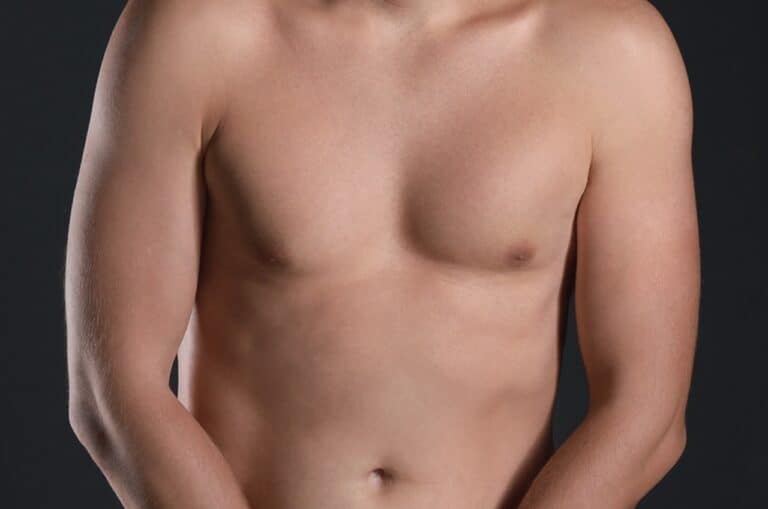
Managing Pain and Discomfort for Better Sleep
Pain or soreness is normal in the first week or two after gynecomastia surgery. The right pain relief routine makes falling asleep much easier and prevents nighttime waking.
Medication and Sleeping Patterns
Our surgeon will prescribe pain medication tailored to your needs. You may take a prescription medication for a few days, then switch to an over-the-counter pain reliever once your discomfort starts to ease. Take your medicine about 30 minutes before bed, so it has time to work.
Never mix medications or change your dose outside our instructions. If you prefer natural approaches, talk to our team before using herbal remedies to avoid negative reactions with your surgical recovery or medications.
Other Ways to Reduce Nighttime Discomfort
- Use cold packs (as we advise) for about 20 minutes before bedtime, which can calm swelling and make lying on your back feel easier.
- Avoid caffeine and large meals before bed to keep your body relaxed.
- Maintain your sleep routine, going to bed and waking up at the same times every day, so your body adjusts quickly after surgery.
Quality rest helps speed your healing, lowers your stress, and can even improve your mood during recovery.
Movements and Habits That Support Nighttime Recovery
The way you care for your body each evening can have a direct impact on how well you sleep after gynecomastia surgery. Gentle movements and healthy sleep habits work together to support recovery.
Staying Active Without Overdoing It
You should move your arms and shoulders carefully every day to keep your blood flowing. However, avoid strenuous movements or lifting anything heavy for at least four weeks after surgery.
Try these habits at bedtime:
- Before you lie down, take a short walk around your bedroom or home to encourage healthy circulation.
- Stretch your arms above your waist only (not overhead) for comfort.
- Perform deep breathing exercises as our team demonstrates during your pre-surgical consultation.
Avoid twisting, bending, or sudden movements that could jar your incisions.
Why You Should Not Sleep on Your Stomach or Side
It may feel tempting to roll onto your side or stomach, especially if those are your usual sleep positions. Sleeping this way presses directly on your healing tissues and incisions, which raises the risk of bleeding, swelling, or tight scar tissue. You might also strain your back or wake up with more pain.
Block your movement with pillows or ask a partner to check your position if you often turn in your sleep.
What to Expect in the First Four Weeks After Surgery
You will move through different stages of healing in the four weeks following gynecomastia surgery. It helps to know what to expect at each phase, so you can adjust your sleep habits accordingly.
Weeks 1 and 2: Initial Recovery
Most patients feel the most swelling, bruising, and soreness during the first week. Back sleeping with elevation stays crucial.
You will wear your compression garment 24 hours per day, removing it only to shower as instructed.
You might have some trouble falling or staying asleep because of discomfort, but this will improve as you heal.
Weeks 3 and 4: Progress and Adjustment
In the third and fourth weeks, you may notice a significant reduction in swelling, and pain becomes less severe. Our surgeon may let you try different sleep positions for short periods, but most patients should keep sleeping on their back until the end of week four.
Keep wearing your compression vest as we advise, since some swelling can still occur if you stop using it too soon. A follow-up appointment will help us assess your progress, monitor the total swelling after gynecomastia surgery, and let you know when you can safely return to your preferred sleep position.
Common Mistakes to Avoid During Post-Surgery Sleep
Being aware of common sleep mistakes after gynecomastia surgery can help you avoid setbacks and promote smooth healing. Keep these in mind each night:
- Skipping elevation: Lying totally flat in bed can worsen swelling and make pain harder to manage.
- Removing your compression vest too early: Taking off your garment before your chest is ready can slow healing.
- Sleeping in a cramped or noisy room: Disrupted sleep delays healing and adds to discomfort.
- Ignoring pain medication instructions: Missing a dose or mixing medications can increase pain or affect your recovery.
Learning from these mistakes can empower you to take an active role in your recovery.
A Step-by-Step Bedtime Routine for Gynecomastia Recovery
Establishing a simple, repeatable bedtime routine can make your nights smoother and support your results.
- Check your sleeping space: Make sure your bed or recliner has enough pillows for elevation, plus extra pillows to prevent rolling.
- Prepare your pain relief: Take medications as recommended about 30 minutes before you lie down.
- Put on your compression vest: Double-check that it fits well, stays flat, and feels snug but not tight.
- Dress in soft, loose pajamas: Breathable fabrics help your skin and prevent irritation during sleep.
- Practice calming habits: Try stretching, deep breathing, or light reading before bed.
- Set alarms or reminders: If needed, let yourself wake at regular intervals to check your position or shift your body gently.
A predictable bedtime pattern can support physical healing and create a sense of control during recovery.
FAQs About Sleep and Gynecomastia Recovery
Patients often ask questions about sleeping after gynecomastia surgery. The answers below provide added clarity and reassurance.
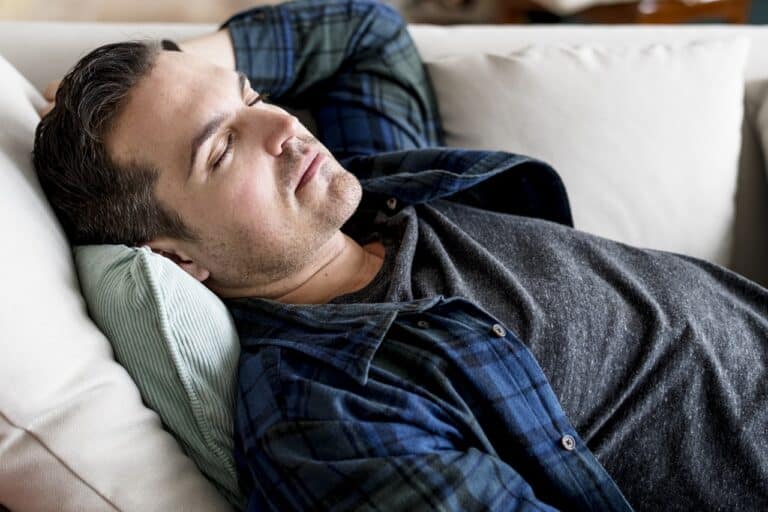
Gain the Best Results by Prioritizing Sleep During Recovery
Rest plays a big role in the success and comfort of your recovery process after gynecomastia surgery. How you position your body each night can directly impact your swelling, pain, and long-term results.
At the Charlotte Gynecomastia Center, our team remains committed to guiding you through every step of recovery, from your first night at home to your final follow-up appointment. We make sure every patient gets detailed aftercare instructions and plenty of support to overcome common challenges. Sleeping well after surgery protects your investment in yourself and helps you return to your everyday routine quickly and confidently.
Reach out to our office if you have questions or if you want practical advice about your recovery. We look forward to helping you achieve the comfort and confidence you deserve, beginning with great sleep and a strong start to your healing journey.